At Kuzaa, PPI played a key role in our research “Leveraging Artificial Intelligence for the Prediction, Diagnosis, and Treatment of Perinatal Depression and Anxiety among Women in Low- and Middle-Income Countries (LMICs).”
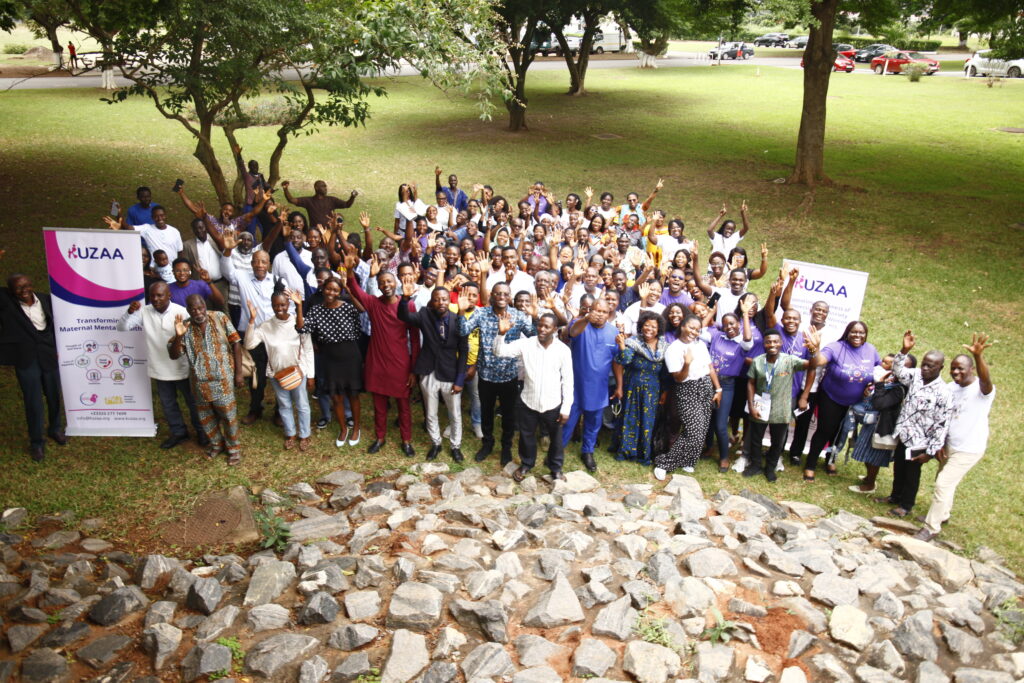
From start to finish, we prioritized community and stakeholder engagement. Our stakeholders represented a diverse range of disciplines and perspectives, including pregnant women and new mothers, health professionals, policy-makers, AI experts, traditional and religious leaders, NGOs, researchers, and household heads.
This inclusive process ensured that the voices of those directly affected were at the heart of our research, shaping solutions that truly meet their needs.
Given the Patient and Public Involvement (PPI) approach of the study, the research team chose to include Focus Group Discussions (FGDs) with ten (10) stakeholder groups related to maternal health:
1) Perinatal Women – Currently Pregnant Women and Women in the first year Postpartum;
2) New Mothers (Non-Pregnant Women who are not in the perinatal period with a live birth in the past five years);
3) Health Professionals (Who work with Pregnant Women and/or Mothers);
4) Policymakers (Representing Women-focused Government Agencies and Parastatals);
5) Women-Focused Non-Governmental Organisations;
6) Research Community (Maternal Health and AI Researchers from Post-Secondary Institutions and Research Institutes);
7) AI Experts (Health-Focused AI-related Software Developers);
8) Traditional/Community Leaders;
9) Religious Leaders; and
10) Male Household Heads.
Organized By
Kuzaa in partnership with APEC-Ghana
Funded By
MQ Mental Health Research.
Stakeholder Groups
10 Groups
6-7 Participants of each group
Facilitators
12 Facilitators
3 Males
9 Females
Date
30th July - 7th August, 2024
Venue
African University College of Communication (AUCC) & Ridge Hospital, Accra
Key Findings
The discussions revealed key themes in understanding and addressing perinatal depression and anxiety (PDA), covering the social, cultural, and systemic factors impacting maternal mental health.
Major causes of PDA included family pressures around the sex of the unborn child, physical appearance expectations from husbands, and family history of mental health issues. Support systems varied, with some women receiving spousal and financial assistance while others faced challenges in accessing adequate healthcare support.
Participants viewed AI as a potential tool for making informed health decisions but emphasized the need for trust and engagement in AI solution development. Insights also highlighted the importance of including husbands’ mental health in antenatal care, addressing cultural beliefs around PDA, and establishing a continuum of care from pregnancy through post-delivery.
Challenges in treating PDA included understaffing at healthcare facilities, reluctance of mothers to seek help, and insufficient infrastructure to support mental health services.
The competition aimed to raise awareness about perinatal mental health and encourage creativity among young people. We defined young people as those aged 18-29 years.
We had three categories, and participants were allowed to submit to a maximum of two of the categories:
Visual Arts (painting, drawing, photography)
Digital Arts (graphic design, digital illustration)
Multimedia (video and animation)
Judges: We had xxfemale judges made up of new mothers, health professionals, AI experts, researchers living in different countries across the world (UK, Hong Kong, Tanzania,…)
Organized By
Kuzaa in partnership with APEC-Ghana
Funded By
MQ Mental Health Research.
Date
1st - 31st July, 2024
Entries
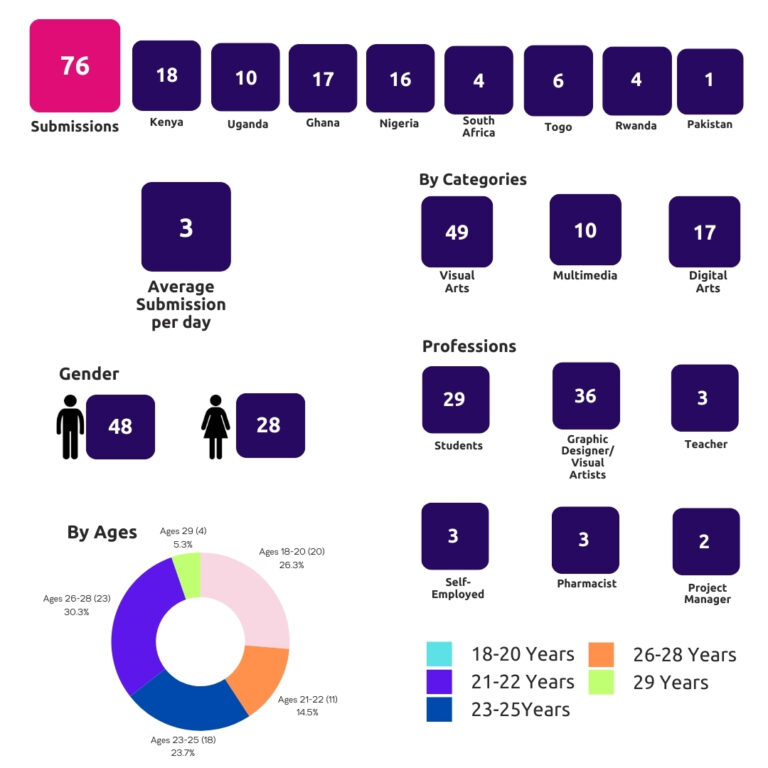
76 Artworks
Winners
3 Winners
1 from each Category
Judges
8 Judges from
5 African Countries
Arts and Design Competition Data
Winner: Digital Arts Category
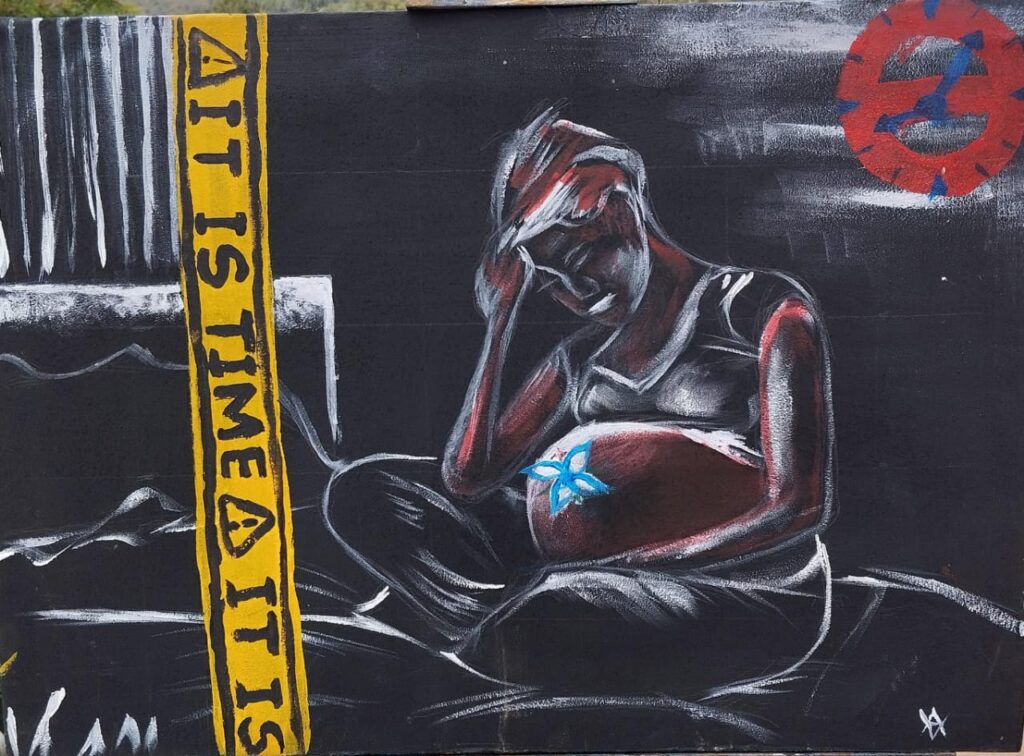
Winner: Visual Arts Category
Winner: Multimedia Arts Category
Testimonials
Testimonials
“ I'd love to see more initiatives from Kuzaa that prioritise mental health, especially those that actively engage young people. We must create safe spaces for open conversations and support networks. I'm particularly passionate about involving more young women in these efforts, as it's essential for us – as young men – to gain a deeper understanding of their experiences and perspectives. By doing so, we can work together to raise awareness and offer meaningful support to women during pregnancy and the first year postpartum. This is a critical time when mental health support is paramount, and we can make a real difference by being proactive and inclusive. We are together in this”
Amandla- Facebook
“Miss B, thank you for bringing this to the fore, many people don't know this condition exists, and it's manageable. Many who have experienced or have someone who has experienced it see it as an "attack". Raising awareness about the condition will go a long way to educate the public.”
OA -Instagram
“Am glad to be part of this competition and I think it's such a great pleasure putting my skills to work for a cause thanks for the opportunity. I know that even if i don’t win this competition but i believe this video will help someone either a young mother or a pregnant woman be a victor and a winner for conquering their side of depression and anxiety and leaving a better life”
Bylon -Facebook
“RISE AND RAISE awareness on depression and anxiety among pregnant women and new mothers as well as fostering a compassionate society where they feel seen, heard, and always supported
Kuzaa -Facebook
Transforming Maternal Mental Health: Harnessing Artificial Intelligence to Support Pregnant Women and New Mothers in Low- and Middle-Income Countries.
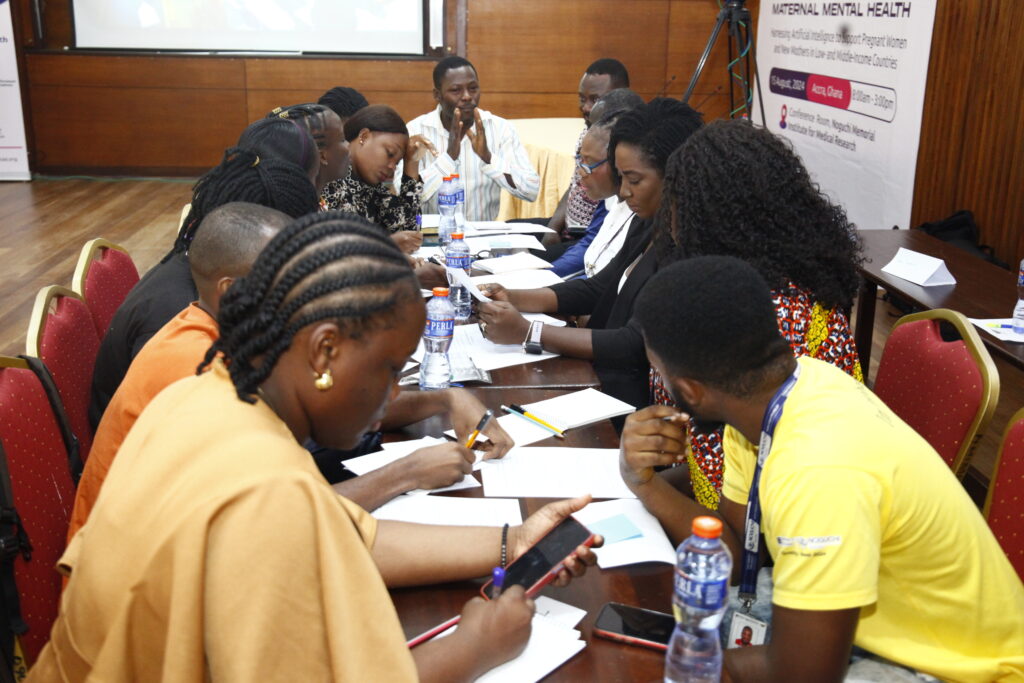
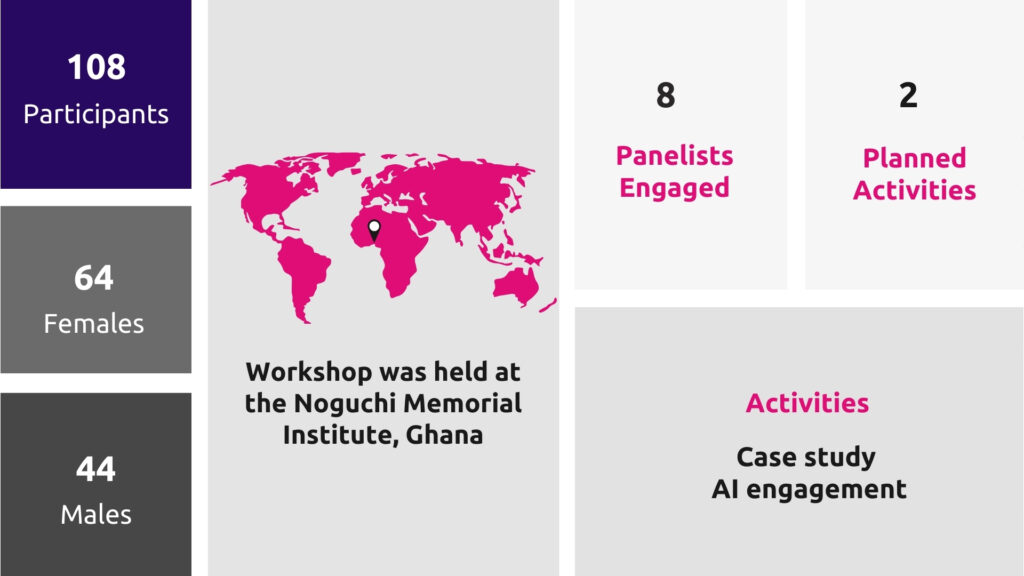
The workshop emphasized the gap in AI tools tailored to PDA, revealing that current AI solutions often overlook culturally relevant and ethical considerations specific to low- and middle-income countries. Through case studies, AI engagement activities, and panel discussions, participants explored the potential for localized solutions that prioritize PDA care, cultural responsiveness, and ethical use of AI. Feedback from the workshop has guided Kuzaa’s strategy for a follow-up webinar in October 2024, which aimed to deepen discussions on these critical issues and share additional findings with the global audience.
Organized By
Kuzaa in partnership with APEC-Ghana
Funded By
MQ Mental Health Research.
Date
15th August, 2024
Venue
Noguchi Memorial Institute, University of Ghana, Accra
Demographics
64 Females
44 Males
Panelists
Lived Experience Expert, Health Professional, Clinical Psychologists, Religious Leader, Community Leader, NGO lead and AI Expert.
Panel Takeaways
The community leader expressed interest in advocacy partnerships for maternal mental health.
The religious leader highlighted the need for support frameworks that acknowledge diverse cultural beliefs.
The healthcare professional noted barriers related to stigma and societal perceptions affecting open discussions on maternal mental health.
Unveiling the Hidden Struggles of Mothers: Harnessing Artificial Intelligence to Predict Perinatal Mental Health Conditions among Mothers in Developing Countries.
Maternal mental health challenges, such as perinatal depression and anxiety, disproportionately affect young mothers in developing countries, where access to mental health care is often limited. The application of Artificial Intelligence (AI) offers innovative ways to predict, diagnose and address these conditions early. AI applications in maternal mental health may require access to highly sensitive personal and medical information, such as mental health histories, pregnancy details, or perinatal experiences. Ensuring data security and maintaining privacy are critical.
This webinar sought to disseminate additional findings and engage practitioners in the discussion on the application of artificial intelligence and its ethical consideration in maternal mental health.
Objectives:
To share findings from the focus group discussions and the systematic review.
To highlight the potential of AI in predicting perinatal mental health conditions.
To foster discussions and engage stakeholders on improving maternal mental health in low- and middle-income countries.
Target Audience: Pregnant Women, Mothers, Fathers, Healthcare Professionals, Participants and Judges of the Kuzaa Arts and Design Competition, Mental Health Advocates, Researchers, NGOs, AI and Technology Experts, General Public.
Speakers: Mental Health Professionals, Maternal Healthcare Advocates, and AI Researchers and Software Developers.
Organized By
Kuzaa in partnership with APEC-Ghana
Funded By
MQ Mental Health Research
Date
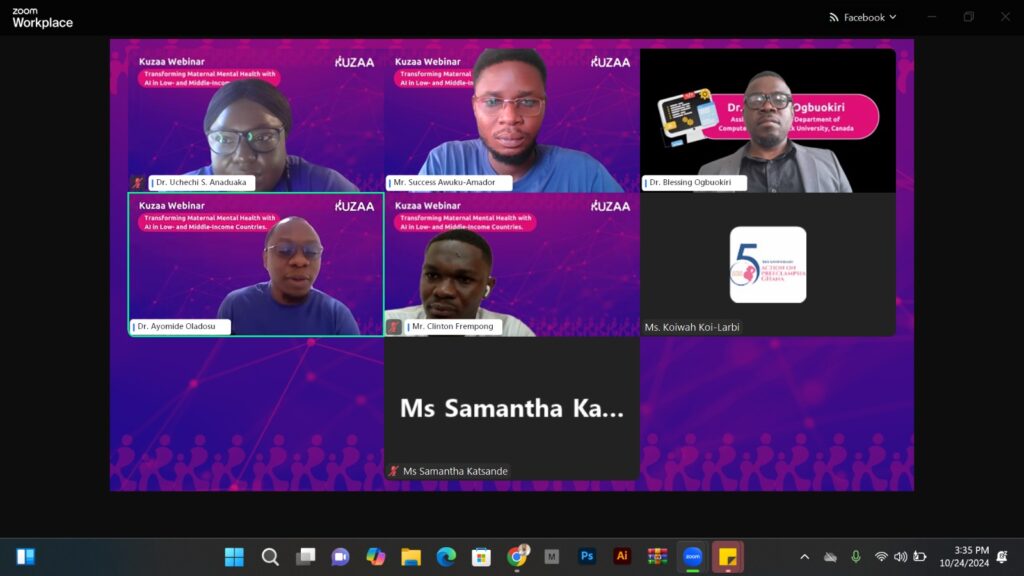
24th October, 2024
Online
Zoom Live
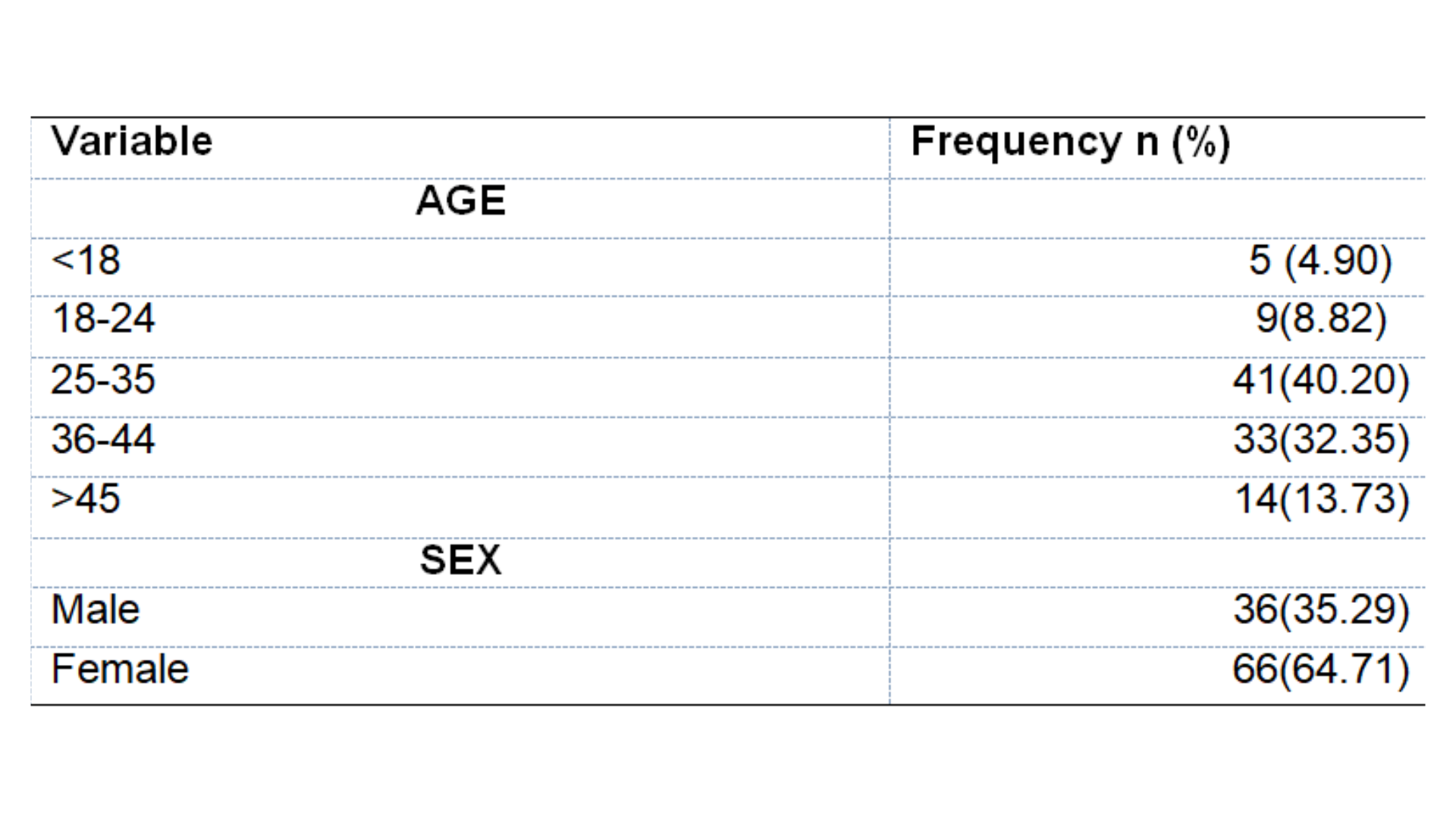
Demographics
66 Females
36 Males
Speakers
3 Speakers
2 Males & 1 Female
Speaker Insights
Rev. Mrs. Charlotte Oduro
Preacher and Seasoned Marriage and Relationship Counselor
Dr. Jabhera Matogoro
Lecturer, Principal Investigator for the Artificial Intelligence for Mental Health Research Project
Dr. Blessing Ogbuokiri
Assistant Professor, Department of Computer Science, Brock University, Canada
Demographic Characteristics of Participants
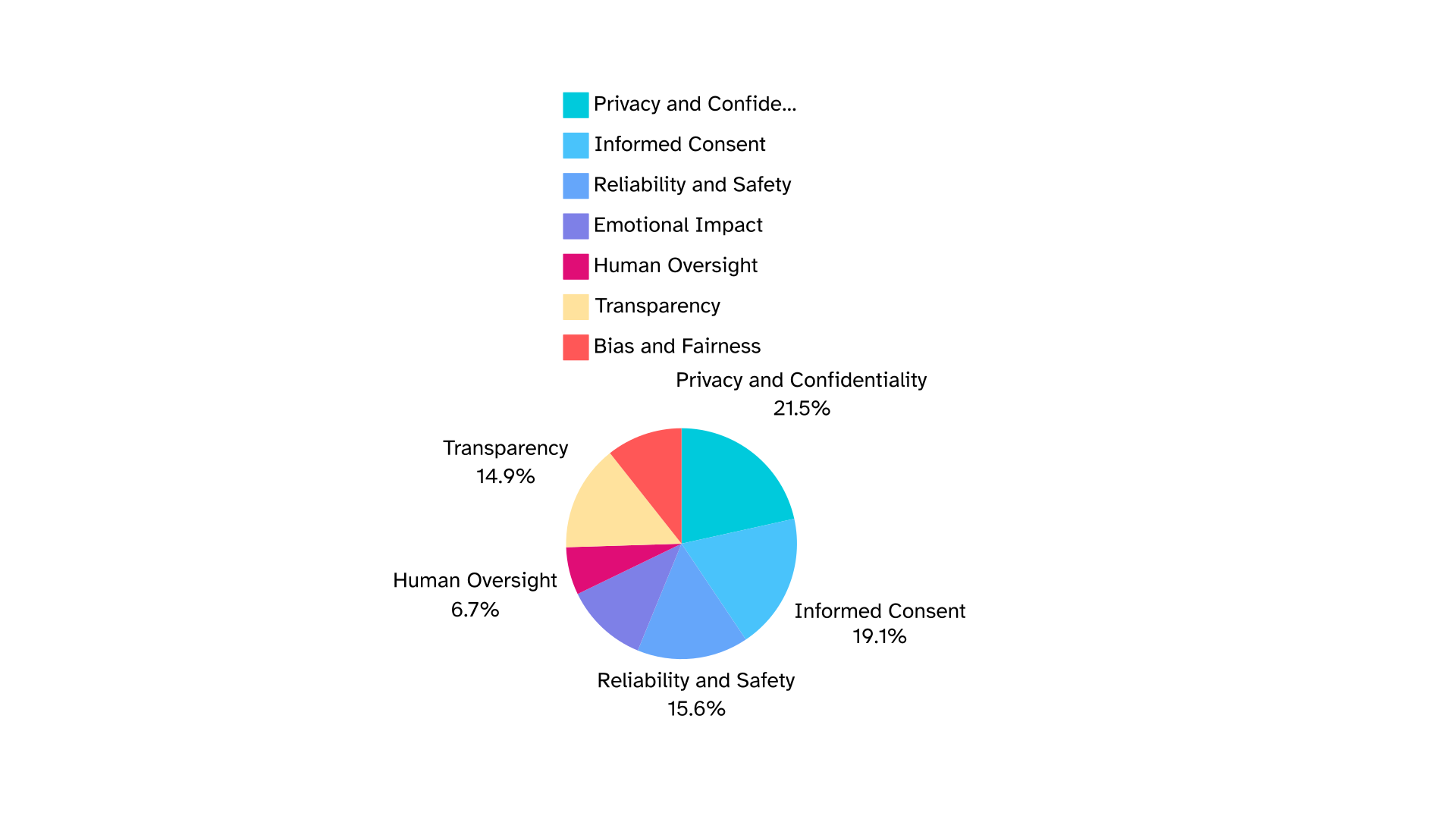
What ethical considerations should be considered when integrating AI into maternal mental health care?
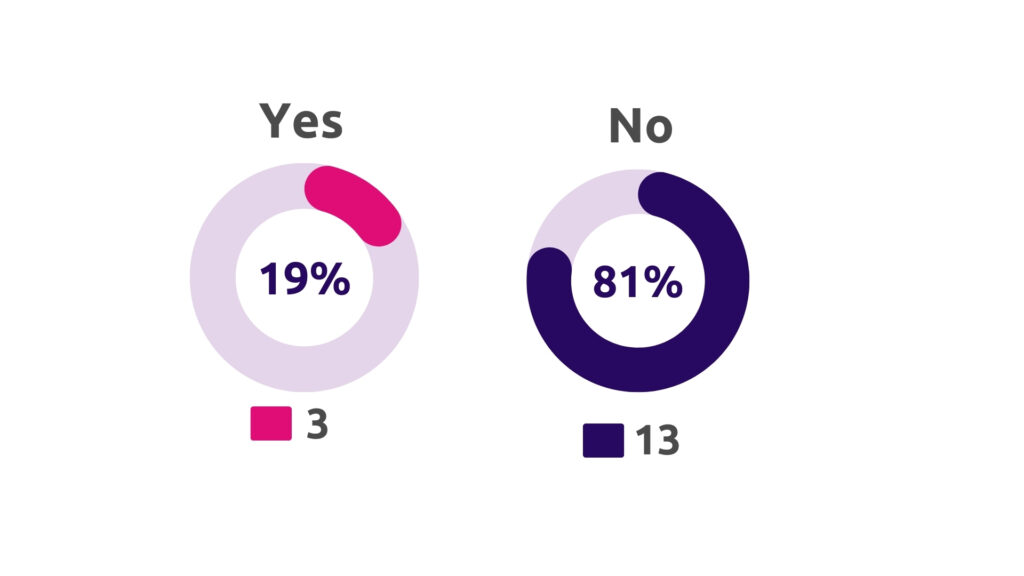
Have you attended similar events in-person or virtually in the past year related to Maternal Mental Health?
Learning Interests of Participants
Takeaways
Through case studies, AI engagement activities, and panel discussions, participants explored the potential for localized solutions that prioritize PDA care, cultural responsiveness, and ethical use of AI. Feedback from the workshop has guided Kuzaa’s strategy for a follow-up webinar in October 2024, which aims to deepen discussions on these critical issues and share further findings with a global audience.